What is ISO 45001 Certification? And How Does It Protect Your Workers and Reduce Costs?
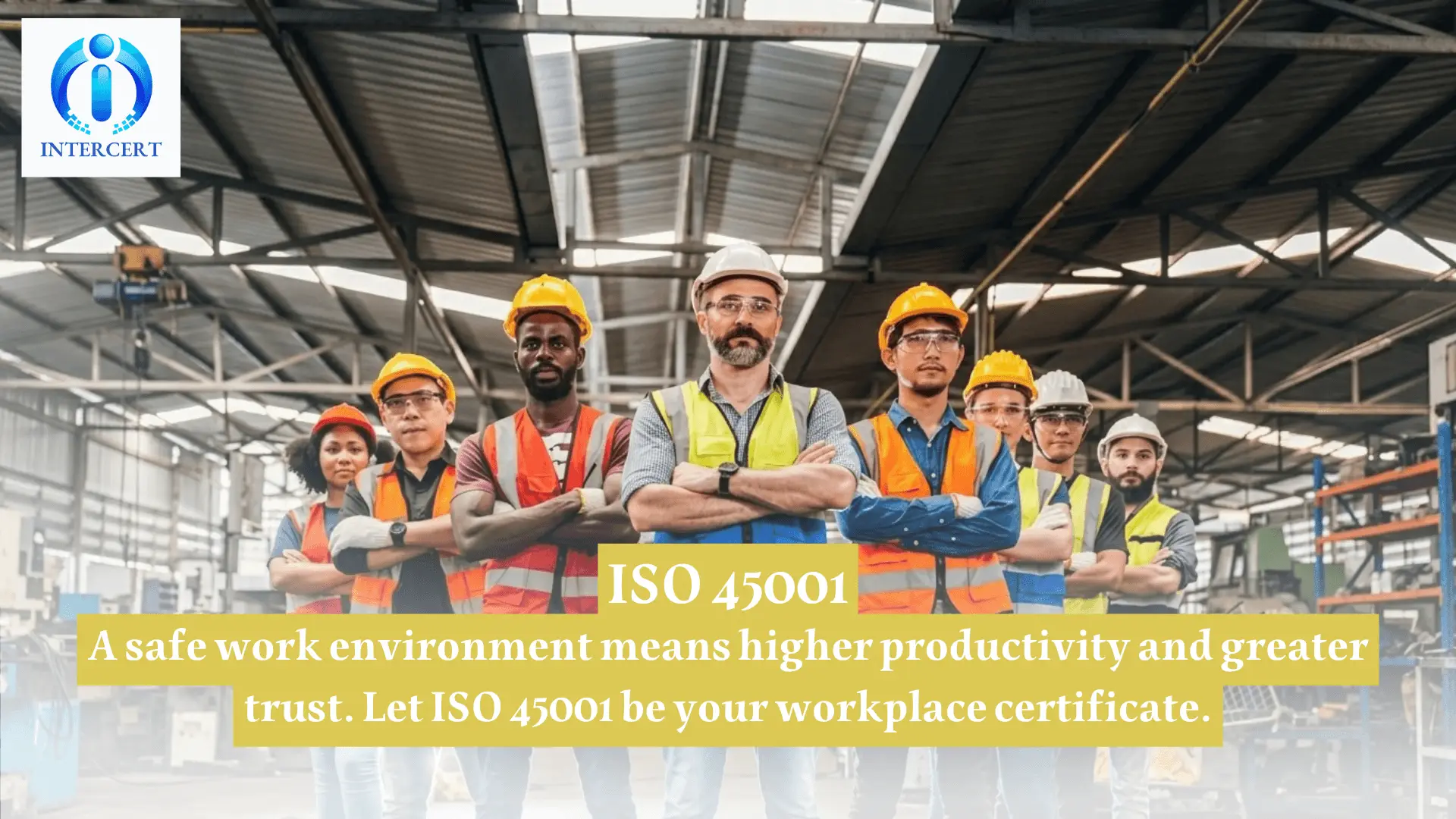
Tuesday morning at 10:17, a maintenance worker fell from a height of just 3 meters. Not much. Just a floor and a half. But his head struck a concrete edge. He died instantly.
During the investigation, the company discovered something terrifying: they have a “safety while working at heights” procedure updated two years ago. The worker has a certified safety harness. They have a certified safety trainer who inspects the site every week.
But the worker wasn’t wearing the harness because he “was only going up for two minutes to adjust a bolt.”
This is not a fictional story. This is the reality of companies that treat safety as “formal procedures” rather than a “living culture.”
And what’s worse? This company had held ISO 45001 certification for 4 years and renewed it twice without issues.
The result? A family lost its provider, a company lost its reputation, legal fines, lawsuits, production stoppages, and a decline in worker morale.
But what if I told you there is a smart way to avoid this nightmare entirely?
This is where ISO 45001 certification comes in—the leading international standard for occupational health and safety management systems. It is not just a document but a living system that transforms workplace culture from merely avoiding risks to creating a safe and supportive environment where creativity and productivity can flourish together.
What is ISO 45001 Certification?
ISO 45001 is the leading international standard for occupational health and safety management systems, replacing the previous standard OHSAS 18001. It was developed by the International Organization for Standardization (ISO) to provide a unified framework that any organization, regardless of its size or field of work, can use to build an effective system for managing health and safety risks and continuously improve its performance.
This standard follows the high-level structure (Annex SL) that aligns with quality and environmental standards (ISO 9001 and ISO 14001), making it easier for organizations to integrate their various management systems. The standard is based on the “Plan – Do – Check – Act” (PDCA) approach, with a particular focus on risks and opportunities, and requires top management to provide leadership and active participation to ensure the system’s success.
Obtaining this certification from an accredited certification body like INTERCERT is an official declaration to the world that your organization places the safety and well-being of its employees at the forefront of its strategic priorities.
Who Benefits from Obtaining ISO 45001 Certification?
| Sector | How Does It Benefit from the Certification? | Tangible Result |
| Industrial and Manufacturing Companies | Identifying risks associated with machinery, chemicals, and processes | Reducing workplace accidents, improving production line safety |
| Construction and Contracting Companies | Managing high risks on construction sites | A basic requirement for contracting with major and government projects |
| Healthcare Sector | Protecting workers from biological and psychological risks | A safe work environment for patients and medical staff |
| Transport and Logistics Companies | Managing risks related to driving and handling goods | Reducing accidents and delays, improving efficiency |
| Small and Medium Enterprises | A flexible framework suited to limited capabilities | Enhancing competitiveness, attracting talent |
What Are the Key Pillars of ISO 45001 Certification?
ISO 45001 is built on ten clauses that form the integrated framework for an occupational health and safety management system. Clauses 4 to 10 define the mandatory requirements. The essence of these can be summarized in the following table based on the standard’s requirements:
| Clause | Explanation | Objective | Expected Outcome |
| Context of the Organization (Clause 4) | Understanding internal and external factors affecting health and safety, identifying the needs of workers and other interested parties, and defining the scope of the system. | Developing a safety system that fits the organization’s reality and responds to its unique challenges and opportunities. | A realistic and effective system that stems from the organization’s needs and environment. |
| Leadership and Worker Participation (Clause 5) | Top management commitment to establishing a health and safety policy, defining roles and responsibilities, and ensuring worker participation and consultation at every stage. | Establishing a genuine safety culture led by leaders and participated in by everyone, not just administrative procedures. | A work environment where everyone feels responsible for their own safety and that of their colleagues. |
| Planning (Clause 6) | Identifying and assessing risks, determining legal requirements, setting measurable objectives, and managing opportunities for improvement. | Moving from reacting to incidents to proactive planning to prevent and anticipate them. | A clear and proactive plan for managing risks and achieving safety objectives. |
| Support (Clause 7) | Providing necessary resources, building worker competencies, raising awareness, ensuring effective communication, and managing documentation. | Empowering workers and equipping them with the knowledge and tools to work safely and efficiently. | An aware and qualified workforce, with open and effective communication channels. |
| Operation (Clause 8) | Planning and controlling operational processes, managing change, and preparing for and responding to emergencies. | Implementing processes in a disciplined manner that reduces risks and ensures emergency preparedness. | Safe and controlled operations, with rapid and effective emergency response. |
| Performance Evaluation (Clause 9) | Monitoring, measuring, and analyzing performance, conducting internal audits, and performing periodic management reviews. | Verifying the system’s effectiveness and identifying strengths and weaknesses based on data and facts. | A transparent and clear view of safety performance and decision-making based on accurate information. |
| Improvement (Clause 10) | Addressing nonconformities and taking corrective actions, and continuously working to improve the safety system and its performance. | Establishing a culture of continuous development and raising the system’s efficiency to achieve the highest levels of safety. | A continuously evolving and improving safety system that keeps pace with best practices and new challenges. |
What Are the Benefits of Obtaining ISO 45001 Certification?
| Benefit | Explanation | Tangible Result |
| Reducing Operational Costs | Reducing workplace accidents and injuries, lowering insurance costs, compensation, and sick leave | Significant financial savings, improved profits |
| Enhancing Organizational Reputation | Tangible evidence of the organization’s commitment to employee safety | Trust of customers, partners, investors, and the community |
| Increasing Employee Productivity and Loyalty | A safe work environment that boosts morale and reduces absenteeism | Increased focus and belonging, improved overall productivity |
| Improving Competitiveness | A basic requirement for international tenders and projects | Opening new markets and partnerships |
| Ensuring Legal Compliance | Understanding and meeting legal and regulatory requirements | Protection from fines, penalties, and legal risks |
| Promoting a Culture of Safety | Involving workers in identifying risks and proposing solutions | A strong safety culture that lasts and evolves over time |
Real Success Stories from the Egyptian Market
| Company | Challenge | Solution with INTERCERT | Result |
| One of the major contracting companies | High rate of workplace accidents on construction sites | ISO 45001 review and extraction of non-conformity reports and positive findings | 60% reduction in accidents, winning major government tenders |
| Chemical Factory | Concerns about exposure to hazardous materials affecting workers | Audit of an integrated safety system according to ISO 45001 | Safe work environment, improved worker morale, increased productivity |
| Transport and Distribution Company | Frequent traffic accidents and driver injuries | Implementing training programs and safety procedures according to the standard | 40% reduction in accidents, reduced insurance premiums |
Frequently Asked Questions About ISO 45001 (FAQ)
What is ISO 45001 certification in brief?
It is the leading international standard for occupational health and safety management systems, providing a unified framework that any organization, regardless of its size or field of work, can use to build an effective system for managing health and safety risks and continuously improve its performance.
What is the difference between ISO 45001 and OHSAS 18001?
ISO 45001 is the natural evolution of OHSAS 18001. The new standard places greater emphasis on the organization's context, leadership, worker participation, and risk and opportunity management. It also follows the high-level structure (Annex SL), making it easier to integrate with other management systems such as quality and environmental standards.
How much does it cost to obtain ISO 45001 certification in Egypt?
The cost varies depending on the organization’s size and the readiness of its current system. We recommend contacting the INTERCERT team for an accurate quote tailored to your needs.
How long does the certification process take?
The duration depends on the organization's size and readiness and includes the external audit and the extraction of reports (NCRs, Positive Findings). We recommend contacting the INTERCERT team for an accurate timeline for completing all procedures.
Does the certification cover mental health and well-being?
Yes, increasingly. The standard requires identifying all risks, including psychosocial risks such as stress, bullying, and burnout. Future amendments indicate a greater focus on the overall well-being of workers.
What is the role of workers in the ISO 45001 system?
Workers are the heart of the system. The standard requires their consultation and active participation in identifying risks, investigating incidents, developing safety practices, and making decisions that affect their safety.
What are the major expected updates in the next version of the standard?
Current discussions regarding the revision of the standard (expected around 2027) indicate a greater focus on worker well-being, new work models (such as remote work), workforce diversity, and the integration of climate change issues and technological developments (such as artificial intelligence) within safety requirements.

Start Toward a Safer and More Productive Future
ISO 45001 certification is not just a document; it is an investment in your most valuable asset—your team. In a world where risks are increasing and challenges are interconnected, human safety has become the difference between those who stay at the forefront and those who collapse at the first crisis.
